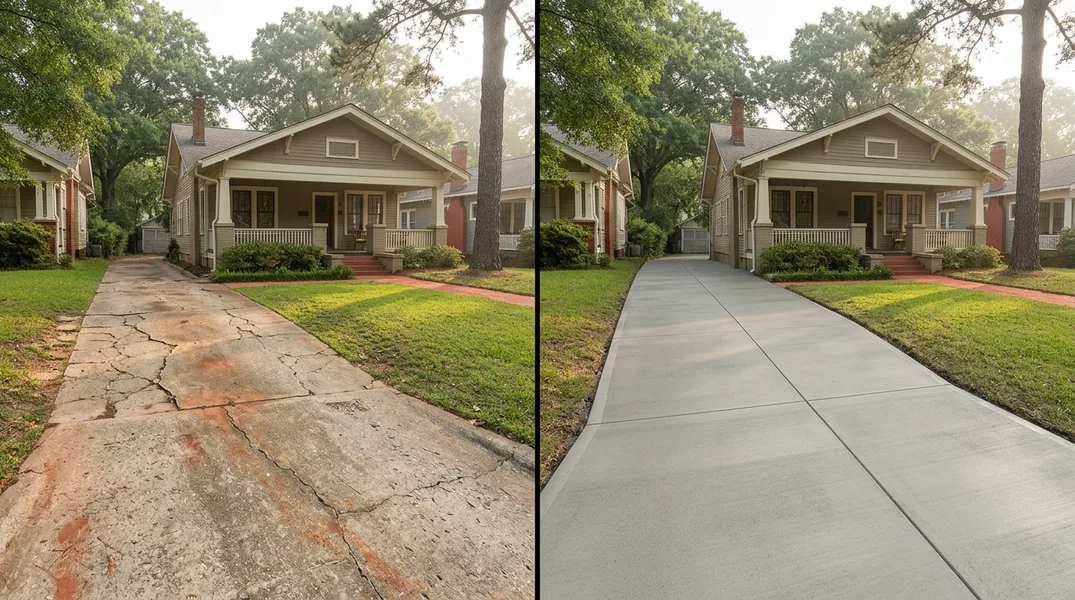
Why Timing Matters for Concrete Pouring in Birmingham
When you're planning a Concrete Driveways project in Birmingham, the timing of your pour is just as important as the quality of materials and workmanship. Concrete is a moisture-sensitive material that requires specific environmental conditions to cure properly. If you pour at the wrong time of year, you risk ending up with a driveway that cracks, spalls, or deteriorates prematurely, even if the initial installation looks perfect.
The concrete curing process is a chemical reaction that happens over time, and temperature, humidity, and moisture all play critical roles in how well that reaction occurs. Pour concrete when conditions aren't ideal, and you're essentially setting yourself up for expensive repairs down the road. That's why understanding the best time to pour concrete in Birmingham can save you thousands of dollars and years of headaches. Whether you're looking at Concrete Patios or a full driveway installation, the season you choose matters enormously.
Spring: The Ideal Season for Concrete Work
Spring, particularly March through May, is widely considered the best time to pour concrete in Birmingham and throughout Alabama. During these months, temperatures are moderate, typically ranging from 50 to 75 degrees Fahrenheit, which is the sweet spot for concrete curing. The concrete needs warmth to cure properly, but not so much heat that it dries too quickly and cracks. Spring also tends to offer more predictable weather patterns, with lower humidity levels compared to summer months.
Another advantage of spring pouring is that rainfall, while still possible, is generally more manageable than the intense thunderstorms that roll through Alabama in summer. Light to moderate rain can actually be beneficial for concrete curing, as it provides moisture that helps the hydration process. However, heavy downpours or extended wet periods can compromise the surface finish and lead to problems like efflorescence or surface crazing. Spring's balance of warmth, moderate humidity, and reasonable rainfall patterns makes it the preferred season for most concrete contractors, including those handling Stamped & Decorative Concrete projects that require extra precision.
Pouring Concrete in Summer Heat: Challenges and Solutions
Summer in Alabama brings intense heat, and pouring concrete in summer heat Alabama presents real challenges that shouldn't be ignored. Temperatures regularly exceed 85 to 95 degrees Fahrenheit from June through August, and on some days can climb even higher. When concrete is poured in extreme heat, the surface dries much faster than the interior, creating internal stress and leading to cracking. This phenomenon is called thermal cracking, and it's one of the most common defects in concrete poured during hot weather.
The good news is that summer concrete work isn't impossible; it just requires extra precautions and expertise. Professional contractors can use specialized techniques such as cooling the concrete mix, adding retarders to slow curing, keeping the surface moist during the initial curing period, and using shade cloth to protect the fresh concrete from direct sunlight. If you absolutely must schedule a concrete project during summer months, make sure you're working with experienced professionals who understand how to manage concrete curing humidity and heat-related complications. The additional care required may increase your project cost, so it's worth discussing this with your contractor before committing to a summer timeline.
Fall and Winter: Why These Seasons Are Risky
Fall might seem like a reasonable time to pour concrete, with cooling temperatures and lower humidity levels. However, fall in Alabama is unpredictable. Early fall can still carry summer heat and humidity, while late fall brings cold snaps and the risk of frost. Concrete needs at least 48 to 72 hours of proper curing conditions after pouring, and if temperatures drop below 50 degrees before the concrete has set, the hydration process slows dramatically, potentially compromising the final strength and durability of your driveway.
Winter is generally the worst time to pour concrete in Alabama. Although hard freezes are less common in Hoover and the greater Birmingham area than in northern states, they do occur, and even a single freeze cycle during the critical curing period can cause serious damage. Concrete that freezes before it's fully cured can develop internal damage that won't show up immediately but will lead to spalling, cracking, and surface deterioration over time. Additionally, winter brings increased rainfall and shorter daylight hours, both of which complicate the curing process. If you're considering a winter project, it's essential to discuss extended curing timelines and protective measures with your contractor.
Managing Concrete in the Rain: What You Need to Know
Concrete in the rain Birmingham is a common concern for homeowners, and it's a legitimate one. Light rain during the curing process can actually be beneficial, as it provides moisture that aids hydration. However, heavy rain or prolonged wet conditions are problematic. When concrete is rained on during the first 24 to 48 hours after pouring, the surface can become weakened, develop a chalky appearance, or show signs of efflorescence (white, powdery deposits). Standing water on fresh concrete can also create uneven curing patterns and surface defects.
The key is to work with contractors who monitor weather forecasts carefully and plan pours accordingly. Professional concrete companies won't pour if heavy rain is predicted within 48 hours of the job. If unexpected rain does occur, experienced contractors know how to manage it through proper drainage, surface protection, and adjusted curing protocols. When you're getting a free estimate for your driveway or patio project, ask your contractor about their rain management procedures. This is a sign of a professional operation that takes quality seriously.
Planning Your Concrete Project: When to Call Birmingham Concrete Pros
Now that you understand how seasonal weather affects concrete curing, the next step is planning your project with the right contractor. If you're ready to move forward with a driveway, patio, or any other concrete work, timing is everything. The best approach is to contact a local contractor who understands the specific climate challenges of the Birmingham area and can recommend the optimal window for your project. Birmingham Concrete Pros has years of experience pouring concrete in every season and knows exactly what conditions work best for the highest quality results.
When you reach out for a free estimate, discuss your timeline openly with the team. If you have flexibility, spring is your best bet. If you're working with a fixed deadline, the contractors can advise you on what precautions and techniques will be necessary to ensure success. You can call Birmingham Concrete Pros at (205) 623-5839 to discuss your project, or visit the website to request a quote. Whether you need a new driveway, want to explore Concrete Repair & Resurfacing options, or are considering decorative upgrades, the team will help you make an informed decision about the best time to pour.
Looking for a professional concrete contractor in Birmingham? Birmingham Concrete Pros responds fast for all your concrete needs.
Get a Free QuoteOur services: Concrete Driveways · Concrete Patios · Stamped & Decorative Concrete